
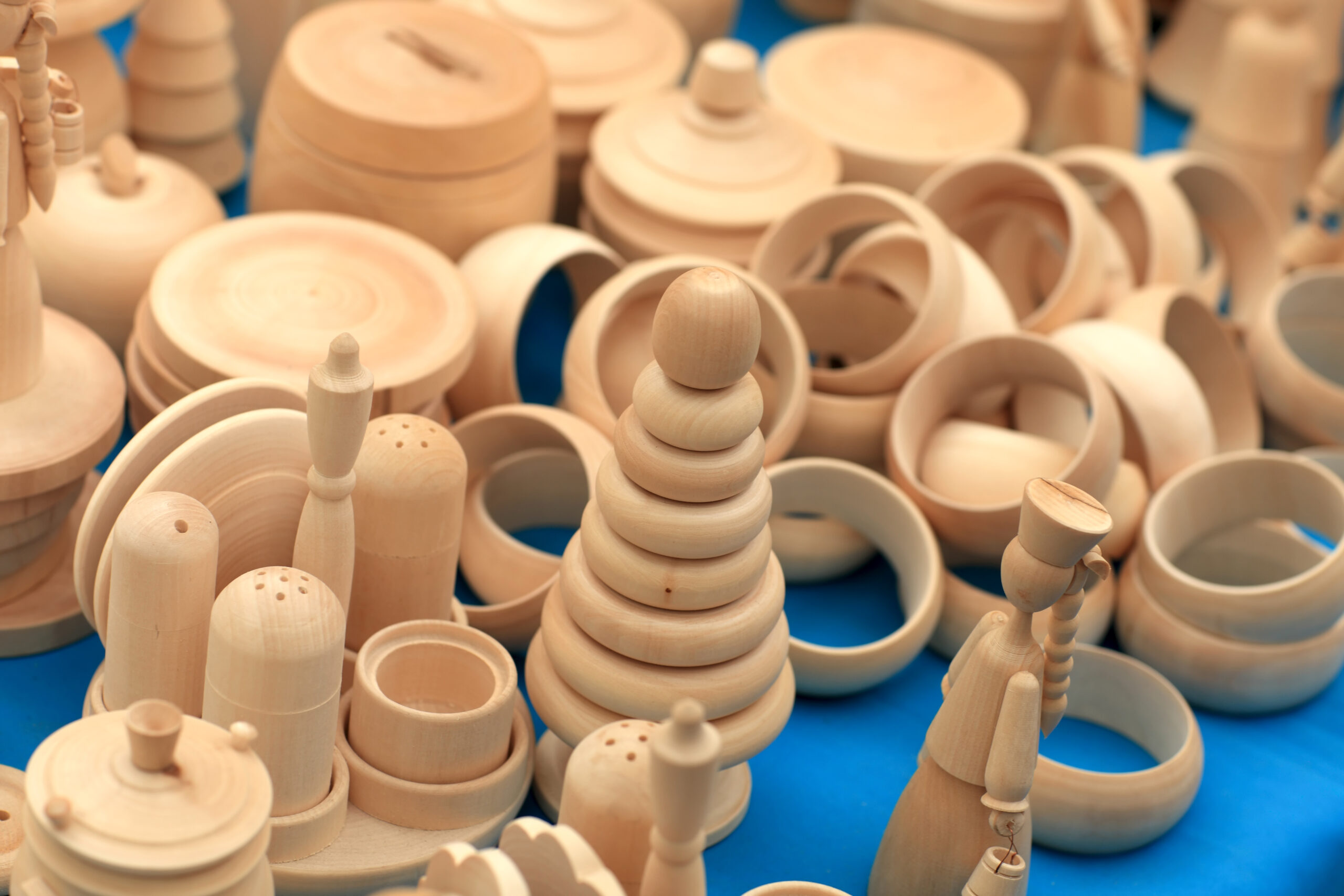
How Unscripted Materials Became a Pedagogical Commitment to Children’s Ideas
My journey into loose parts did not begin with a theory or a framework. It began with watching children work—carefully, repeatedly, and with deep intention—when they were given materials that did not tell them what to do.
At first, I understood loose parts as many educators do: as open-ended materials that invite creativity, problem-solving, and exploration. But over time, it became clear that loose parts were doing far more than supporting play. They were revealing something essential about how children think, how ideas grow, and how learning lives across time.
What I was witnessing could not be explained by materials alone.
Children were not simply engaging with loose parts in the moment. They were returning—to materials, to questions, to stories, to each other. Each return carried memory. Each return held change.
This noticing became the foundation for what would later be named Revisiting Journeys.
Loose parts did not lead me away from pedagogy. They led me directly into it.
Loose Parts Reconsidered: From Objects to Unscripted Materials
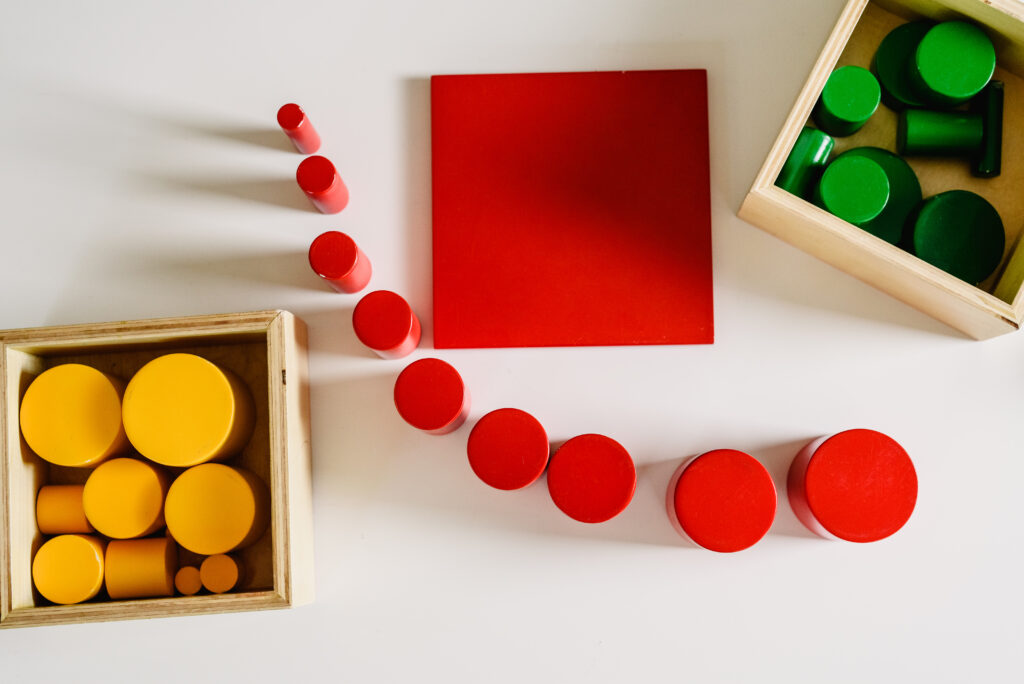
Loose parts are often described as collections of materials—natural or manufactured—that can be moved, combined, redesigned, taken apart, and used in multiple ways. While this description is accurate, it is incomplete.
When loose parts are understood primarily as objects, their pedagogical power is diminished. They become things to place in classrooms rather than ideas that shape how learning unfolds.
Over time, I began to refer to loose parts as unscripted materials.
This language shift matters.
Unscripted materials are not defined by their physical properties, but by what they refuse to impose. They do not carry predetermined narratives, expected outcomes, or adult agendas. They do not instruct children on how they should be used or what they should become.
Unscripted materials position children as:
- Thinkers
- Theorists
- Meaning-makers
They invite interpretation rather than compliance.
Yet even unscripted materials, when introduced without pedagogical intention, can become fleeting experiences—engaging in the moment, then replaced by the next activity, theme, or provocation.
This is where my thinking began to shift.
The materials were unscripted.
But the pedagogy often was not.
What Children Revealed About Learning Over Time
As I observed children working with unscripted materials across days, weeks, and months, a powerful pattern emerged.
Children did not seek constant novelty.
They sought continuity.
They returned to the same materials, not to repeat what they had done before, but to rethink. A structure rebuilt was never the same structure. A story retold was never the same story. Each revisit reflected children’s evolving theories and relationships.
These returns were acts of meaning-making.
What stood out most was that children remembered. They carried ideas with them. They referenced past experiences. They built on earlier thinking in ways that revealed depth, intentionality, and care.
Loose parts made these returns possible because nothing was finished or closed. But I began to see that without a pedagogy that protected children’s right to return, their ideas remained vulnerable—interrupted by schedules, curricular demands, and adult decisions to “move on.”
This realization became pivotal.
Loose parts were not the destination.
Sustaining children’s ideas was the responsibility.
Revisiting Journeys: A Pedagogy Emerges
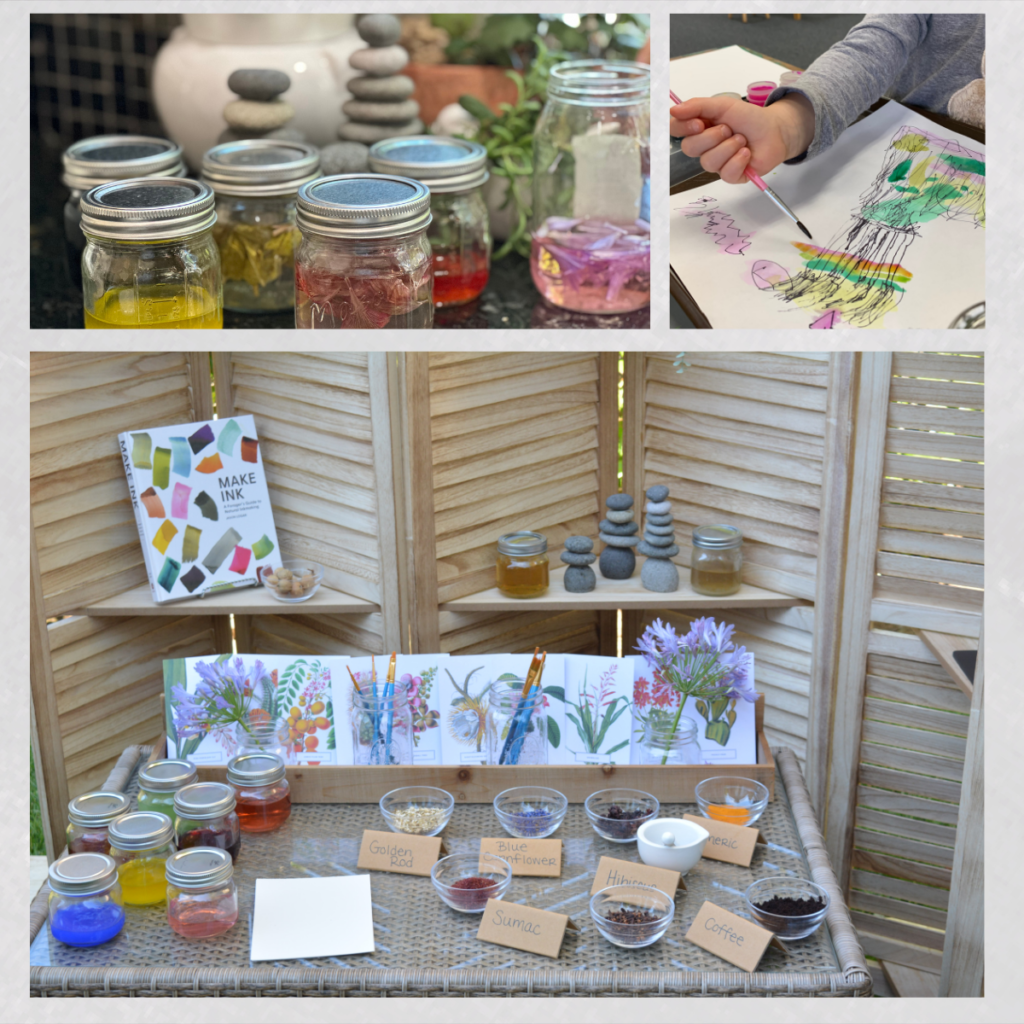
Revisiting Journeys emerged from listening closely to children and taking their thinking seriously.
At its core, Revisiting Journeys is a pedagogical commitment to:
- Children’s ideas as living and evolving
- Learning as non-linear and relational
- Time as essential to meaning-making
Revisiting Journeys names what children were already doing when given unscripted materials and time: they were revisiting ideas, experiences, materials, and relationships in ways that deepened understanding.
Revisiting is not repetition.
It is revision.
Each revisit holds the possibility of:
- New insight
- Shifted perspective
- Deeper connection
Loose parts revealed this process. Revisiting Journeys provides the language, structure, and responsibility to stay with it.
Why Loose Parts Must Be Understood as an Educational Philosophy
When loose parts are treated as a strategy rather than a philosophy, they risk being reduced to surface-level practice. Materials may be present, but children’s ideas may not be sustained.
Understanding loose parts as an educational philosophy requires a shift in stance:
- From product to process
- From novelty to continuity
- From adult-driven outcomes to children’s lived experiences
Unscripted materials demand more than placement. They require educators to listen differently, observe more carefully, and respond with intention.
Revisiting Journeys reframes loose parts as anchors for long-term inquiry, not invitations for short-term engagement. It asks educators to consider not only what children are doing, but what ideas are being carried forward.
Without revisiting, loose parts risk becoming disposable.
With revisiting, they become part of children’s learning journeys.
Time as a Pedagogical Act
Time is never neutral in early childhood education. How time is structured communicates what is valued.
In many settings, time is fragmented—short activities, rotating centers, pressure to move forward. These structures make it difficult for children’s ideas to endure.
Unscripted materials resist this fragmentation. They do not demand completion. They invite lingering.
Revisiting Journeys makes this lingering intentional. It positions time as a pedagogical act—a decision to slow down, to return, and to remain in relationship with children’s thinking.
To revisit is to say to children:
- Your ideas matter
- Your thinking is not disposable
- Your learning deserves continuity
This stance challenges dominant narratives that equate learning with speed, coverage, or visible products.
Designing Environments That Invite Return and Sustain Children’s Ideas
Environments that support both loose parts and Revisiting Journeys are intentionally designed to hold memory, invite return, and sustain children’s ideas over time.
Rather than spaces that prioritize constant change or visual novelty, these environments communicate continuity—materials remain available, traces of children’s thinking are visible, and documentation as chronicles is positioned as a living presence rather than a display.
Unscripted materials are arranged to be revisited, not rotated out, allowing children to encounter familiar materials with new questions and growing theories. When environments honor children’s past experiences while making room for future possibilities, they become active participants in the learning—supporting revisiting as a relational, temporal, and pedagogical act rather than a momentary experience.
From Documentation to Chronicles as a Tool for Revisiting
Within Revisiting Journeys, documentation is not a record of completion or an assessment of outcomes. It is a relational tool that supports memory, dialogue, and return.
When children revisit documentation—photographs, transcripts, artifacts—they encounter their own thinking as something worth revisiting. They see ideas as unfinished and open to change.
In this way, documentation becomes another kind of unscripted material. It does not tell a single story. It invites interpretation, reflection, and conversation.Loose parts made children’s thinking visible in action.
Revisiting Journeys makes that thinking visible over time.
Loose Parts and Revisting Journeys that Promote Equity, Identity and the Right to Return.
Unscripted materials hold deep significance for equity. They do not privilege one way of knowing, speaking, or doing. They allow children to draw from their identities, languages, cultures, and lived experiences.
Revisiting Journeys extends this equity stance by resisting practices that move on before all children have had the opportunity to fully enter the learning.
To revisit is to refuse disposability.
To revisit is to honor difference.
To revisit is to recognize that understanding unfolds in relationship.
Together, unscripted materials and Revisiting Journeys challenge systems that prioritize efficiency over meaning and standardization over humanity.
They ask a different question:
Whose ideas are we responsible for carrying forward?rrying forward?Equity, Identity, and the Right to Return
From Strategy to Pedagogical Commitment
My journey into loose parts did not end with better materials. It led to a deeper understanding of learning itself.
Loose parts taught me that children think in spirals, not straight lines. They taught me that ideas are not meant to be rushed toward closure.
Revisiting Journeys grew from this understanding. It exists because children return—to ideas, to questions, to experiences, to each other.
Loose parts opened the door by disrupting scripted learning.
Revisiting Journeys keeps the door open by protecting continuity.
This work is not about adding more.
It is about staying longer.
A Living Framework
Revisiting Journeys is not a method to implement or a checklist to complete. It is a living framework shaped by listening, returning, and responding.
Unscripted materials remain central—not as objects, but as invitations into journeys that deserve to be revisited.
When educators commit to revisiting, they shift from asking:
- What will children do today?
to asking:
- What ideas are we responsible for honoring over time?
Closing Reflection
Loose parts taught me to see learning as unfinished.
Children taught me that unfinished does not mean incomplete.
Revisiting Journeys exists because children return. Our role is not to redirect those returns, but to honor them.Unscripted materials make thinking possible.
Revisiting Journeys makes thinking endure.